Awake ECMO: why getting patients up and moving matters
Patients on ECMO do not always have to stay deeply sedated. Awake ECMO and early mobilisation can help recovery. Here is how teams make it safe.
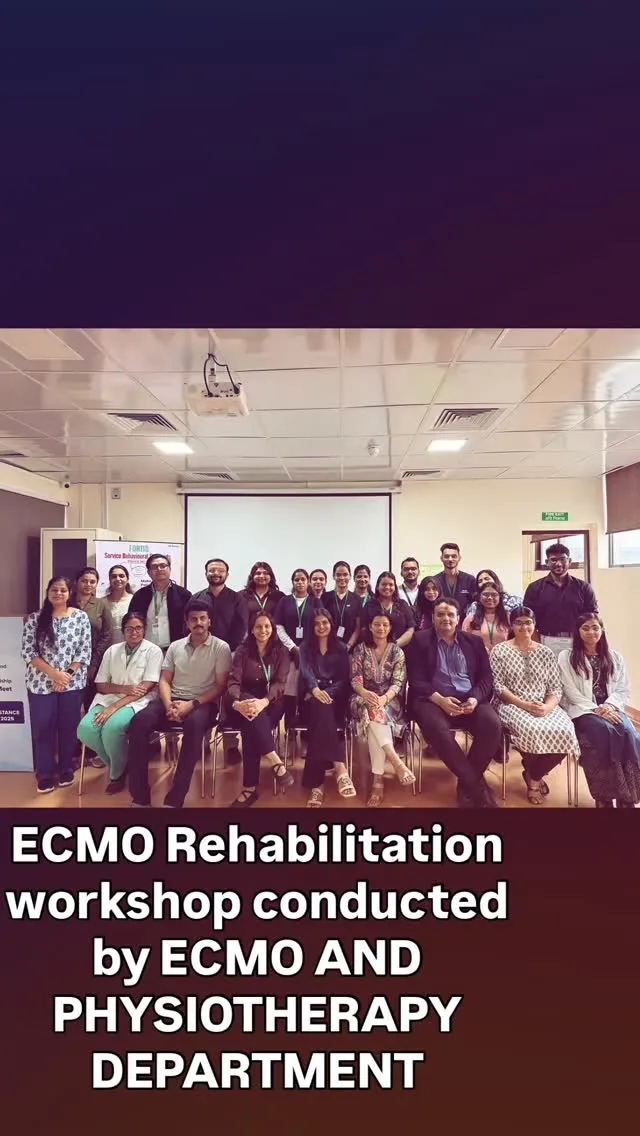
For many years, patients on ECMO were kept deeply sedated and still. Today, selected patients can be awake on ECMO, talking, eating, and even sitting up and walking with help.
Why does it help?
Long periods of deep sedation and bed rest bring their own problems:
- Muscle wasting and weakness
- Delirium
- Infections linked to prolonged ventilation
- A longer, harder recovery after ICU
Keeping a patient awake and mobile, when it is safe, can reduce these complications and help patients stay strong for recovery, or for a transplant.
Who can be awake on ECMO?
Not every patient. Teams consider awake ECMO when:
- The patient’s oxygen levels are stable on ECMO support
- The cannulas are secure, ideally in positions that allow movement
- There is no active bleeding or unstable heart rhythm
- Enough trained staff are available at the bedside
Making mobilisation safe
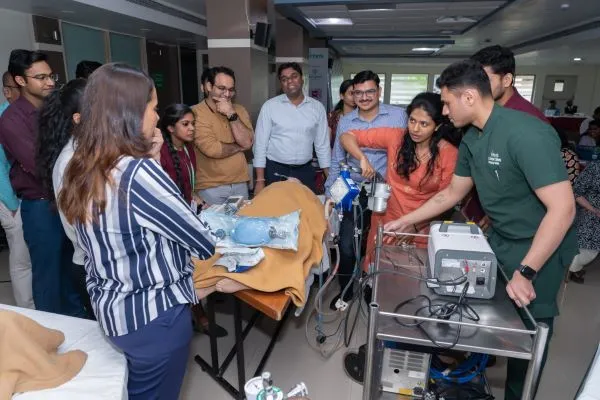
Moving a patient on ECMO is a team activity. A typical session involves a nurse, a physiotherapist and a member of the ECMO team, with one person responsible only for the circuit and cannulas.
Before each session the team checks the circuit, the cannula dressings, the patient’s vital signs and the plan if something goes wrong. Progress is gradual: sitting on the edge of the bed, standing, then marching on the spot and short walks.
The bigger picture
Awake ECMO and early mobilisation need structured protocols and confident teams.
Reference: Haji JY, Mehra S, Doraiswamy P. Awake ECMO and mobilizing patients on ECMO. Indian J Thorac Cardiovasc Surg. 2021.
Prepared with AI assistance. For general awareness only; not medical advice.