
ECPR: when ECMO is used during cardiac arrest
Extracorporeal CPR can restore blood flow when standard resuscitation fails. What it is, who may benefit, and why systems matter more than machines.
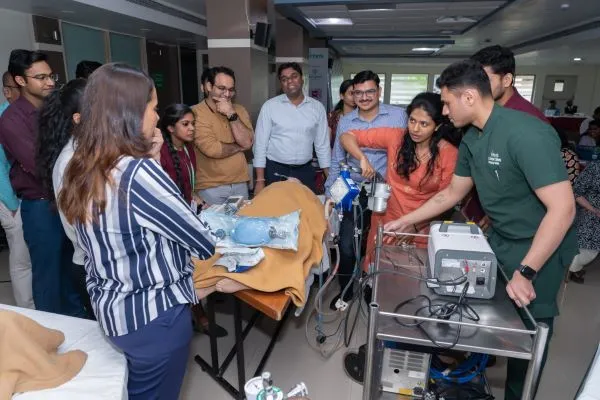
When the heart stops, CPR keeps some blood flowing until the heart can be restarted. Sometimes, despite good CPR, the heart does not restart. In carefully selected patients, ECPR, extracorporeal cardiopulmonary resuscitation, may be an option.
What is ECPR?
ECPR means starting VA-ECMO during an ongoing cardiac arrest. The ECMO machine takes over circulation and oxygenation while doctors find and treat the cause, for example a blocked heart artery or a massive clot in the lungs.
Who may benefit?
ECPR is not for every cardiac arrest. Teams usually consider it when:
- The arrest was witnessed and CPR started quickly
- There is a likely reversible cause
- The patient can reach ECMO within a short time
- The patient was otherwise reasonably well before the arrest
Time is everything
The earlier ECMO flow starts, the better the chance of a good outcome. That means a hospital needs a plan before the emergency:
- Clear criteria for who gets ECPR
- A team that can be activated immediately
- Equipment that is primed and ready
- Practised roles: who does compressions, who cannulates, who runs the circuit
Training emergency teams
Emergency and ICU teams need practice in case selection, emergency cannulation, transport and troubleshooting, ideally through simulation.
Prepared with AI assistance. For general awareness only; not medical advice.